Lesson 17 of 17 · Strategy & mindset
Backtesting and reviewing trades
Test your setup on past charts, measure the results, and turn your trade history into improvements.
- 1
What backtesting is
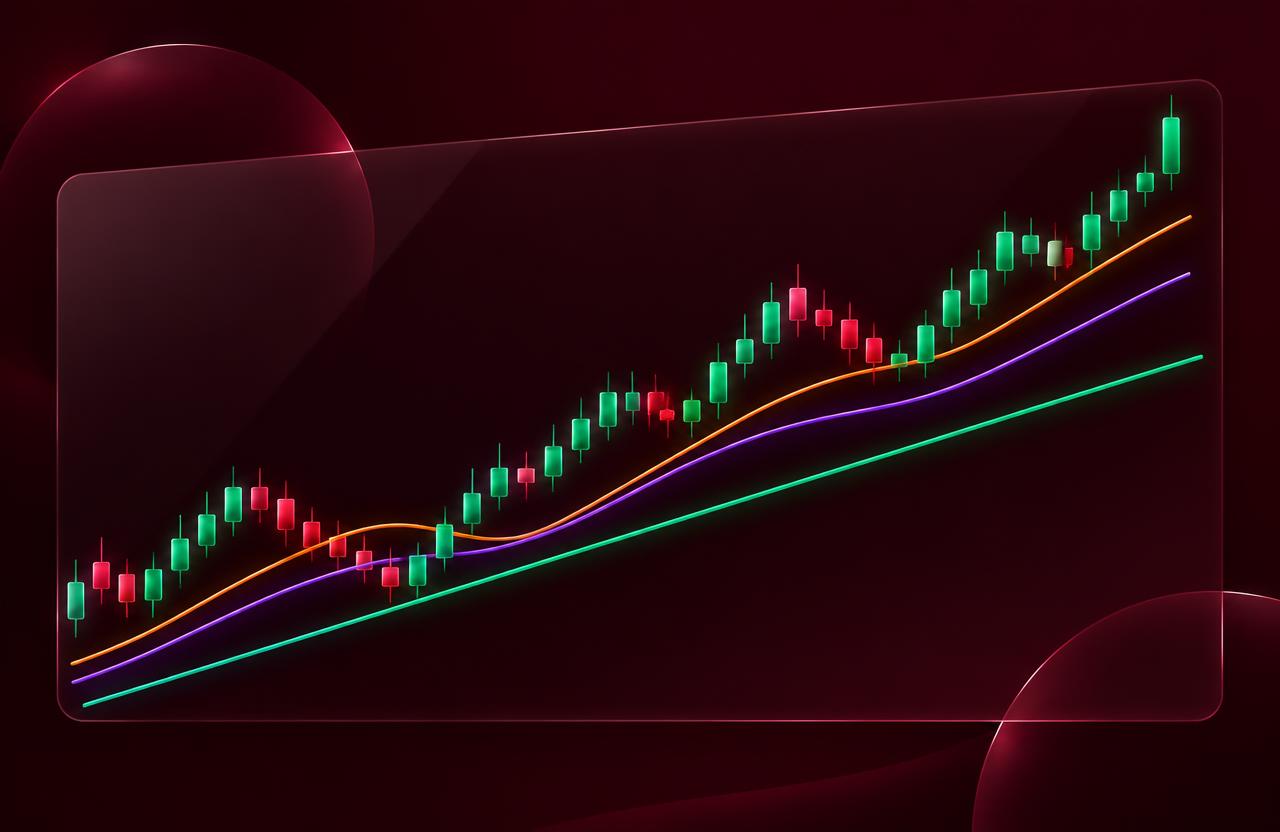
Backtesting means scrolling back through old charts and checking how your setup would have performed. It shows whether an idea has any edge before you practise it live.
- Test at least 30–50 examples.
- Be honest — count the ugly ones too.
 2
Record the numbers
For each example note entry, stop, target and outcome in a simple table. Then calculate win rate, average win, average loss and expectancy.
- Expectancy above zero = potential edge.
- Small samples can be very misleading.
 3
Forward-test in the Lab
Once a setup looks promising, trade it in the Lab on live prices for a few weeks. Live conditions show problems backtests miss, like hesitation or missed entries.
- Use the same risk per trade throughout.
- Compare live results with your backtest.
 4
Review and refine
Every week, sort your trades into ones that followed the plan and ones that didn't. Mistakes in following the plan are fixed with discipline; losses on good trades are just the cost of doing business.
- Separate bad trades from bad outcomes.
- Simulated results never guarantee real results.
Key takeaways
- Test ideas before trusting them.
- Measure with numbers, not feelings.
- Good process beats lucky outcomes.