Lesson 13 of 17 · Crypto
Crypto basics
What moves Bitcoin and friends, and how to handle their famous volatility.

- 1
Always-on markets
Crypto trades 24 hours a day, 7 days a week. Crypto prices in the Lab stream live from public market data, so weekend moves are real too.
- Volume often drops at weekends, making moves jumpier.
- Bitcoin's direction usually influences the rest of the market.
- 2
The coins in the Lab
You can practise with Bitcoin (BTC), Ethereum (ETH), Solana (SOL), BNB, XRP and Dogecoin (DOGE). Bitcoin and Ethereum are the largest; smaller coins tend to move more sharply in both directions.
- Start with BTC or ETH — they're the most liquid.
- Meme coins can swing wildly in minutes.
 3
Volatility is the price of opportunity
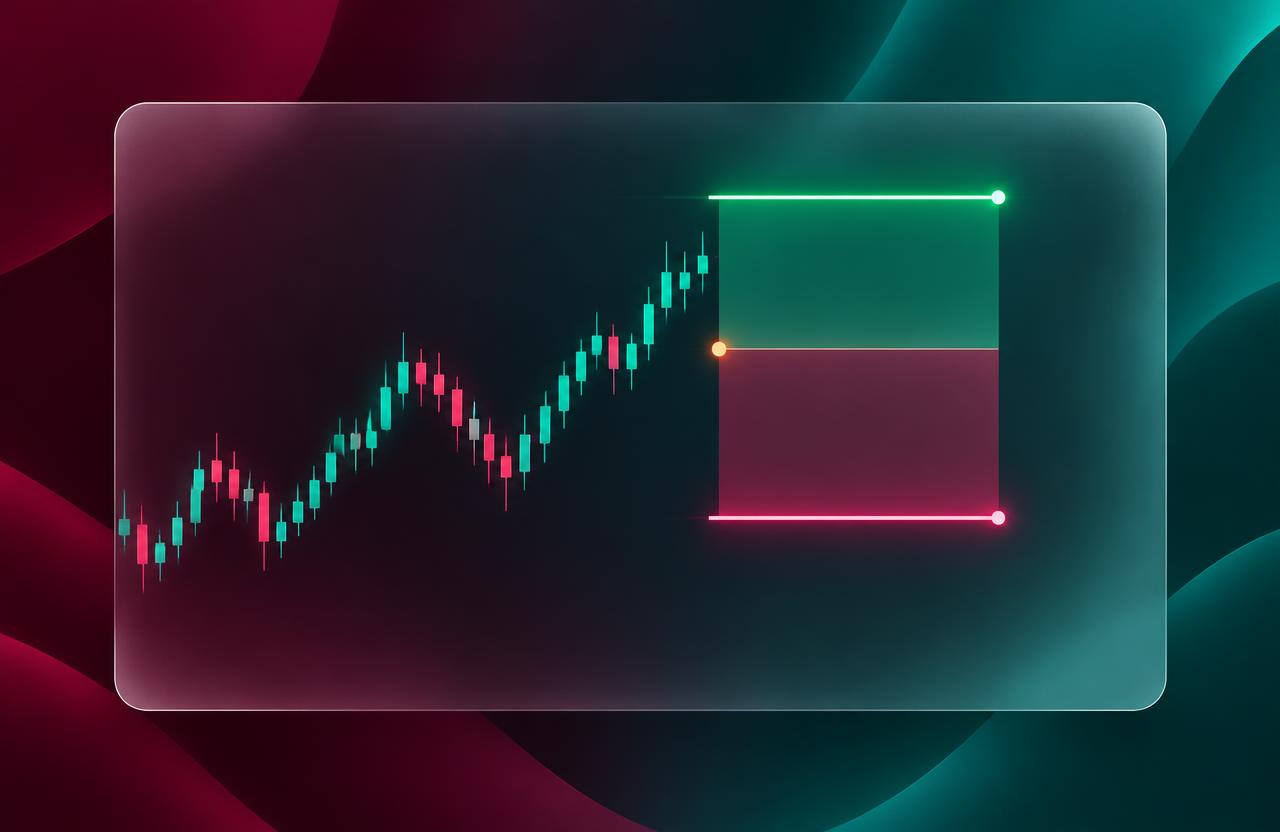
Crypto can move 5–10% in a day. That creates opportunity, but it also means stops need more room and position sizes should be smaller than in forex.
- Use wider stops with smaller size.
- Avoid high leverage on fast-moving coins.
 4
What moves crypto
Crypto reacts to regulation news, big company or fund buying and selling, network upgrades, and overall risk appetite in global markets. Sentiment can change fast, so plan exits before you enter.
- Headlines can trigger sharp spikes both ways.
- Don't chase a candle that has already run.
Key takeaways
- Crypto never closes.
- Smaller coins = bigger swings.
- Size down to handle volatility.