Lesson 10 of 17 · Managing risk
Leverage, margin and liquidation
How borrowed buying power works, why it cuts both ways, and when a trade gets liquidated.
- 1
What leverage does
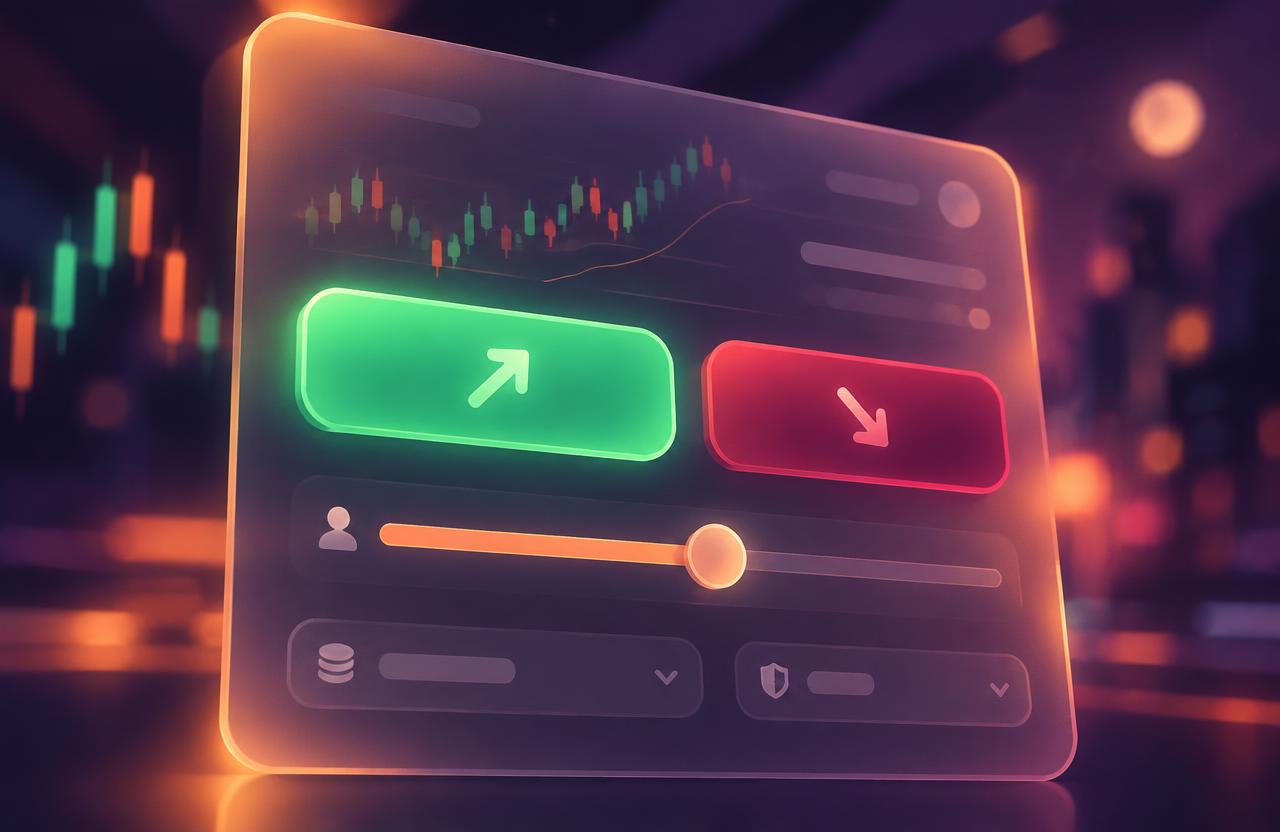
Leverage lets a small amount of your balance control a bigger trade. At 10x, $100 of margin controls a $1,000 position. A 1% price move then changes your result by $10 — 10% of the margin you put up.
- Leverage multiplies gains and losses equally.
- Crypto in the Lab allows up to 10x; forex up to 50x.
 2
Margin is locked, not spent
When you open a trade, its margin is set aside from your balance. When you close, the margin comes back plus or minus your profit or loss. That's why your free balance drops as soon as you open a trade.
- Margin = trade size ÷ leverage.
- Too many open trades can leave no free balance.
 3
Liquidation
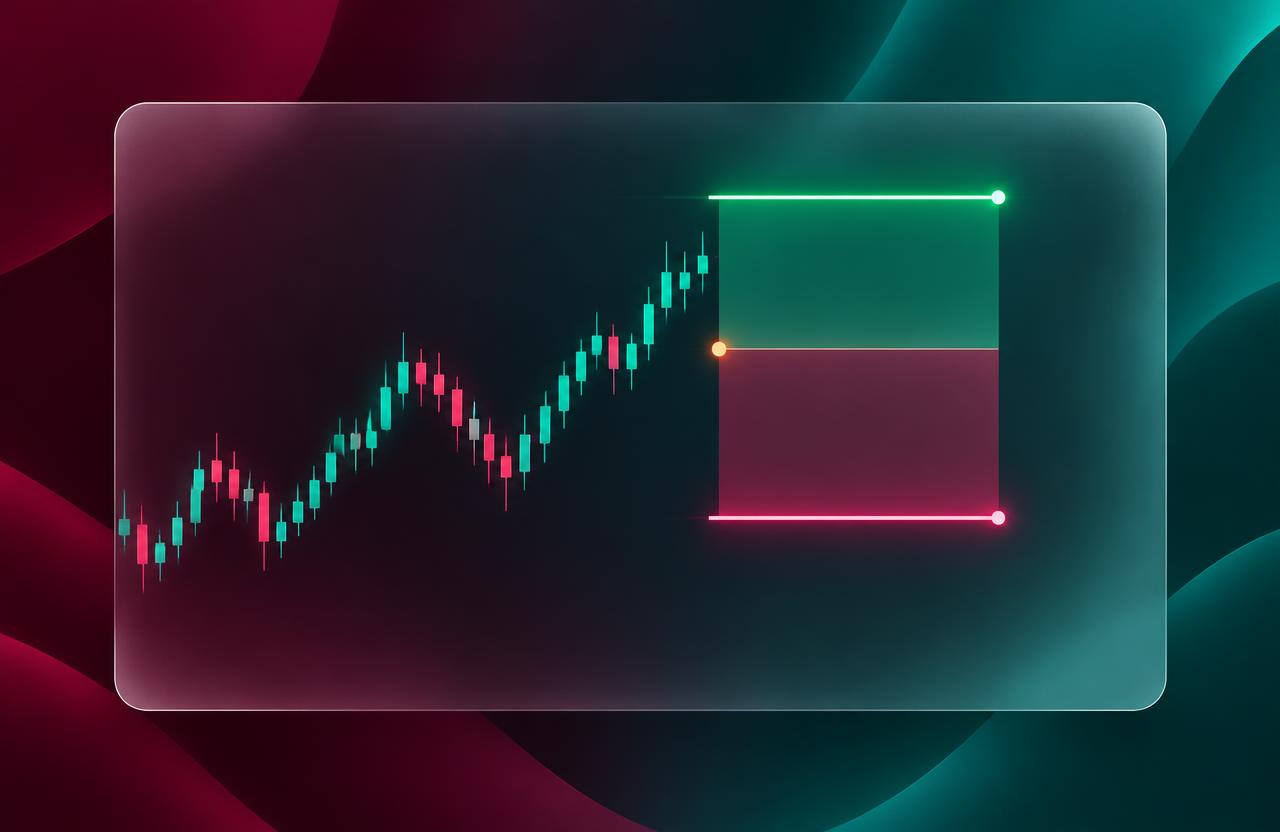
If losses eat up all of a trade's margin, the trade is closed automatically — that's liquidation. At 10x a 10% move against you liquidates the trade; at 50x a 2% move does. In the Lab you can never lose more than the margin you put up.
- Liquidation price for a 10x buy ≈ entry × 0.90.
- A stop loss should always trigger well before liquidation.
- 4
Using leverage sensibly
Use leverage to free up margin, not to trade huge positions. Set your size with the position-sizing rule first, then pick the lowest leverage that leaves enough free balance.
- Try the same trade at 1x and 10x and compare.
- Use the Calculator to see liquidation prices.
Key takeaways
- Margin = size ÷ leverage.
- Higher leverage = closer liquidation.
- Stops should always come before liquidation.