Lesson 2 of 17 · Getting started
How markets work
Why prices move, who is on the other side of your trade, and what bid, ask and spread mean.

- 1
Buyers and sellers set the price
A market price is simply the last price at which a buyer and a seller agreed to trade. When more people want to buy than sell, price rises until enough sellers appear. When sellers dominate, price falls until buyers step in.
- Price moves are the result of supply and demand, not a fixed 'fair value'.
- News changes what people are willing to pay — fast.
 2
Bid, ask and the spread
Real brokers show two prices: the bid (what you can sell at) and the ask (what you can buy at). The gap between them is the spread, and it's a cost you pay on every real trade. The Lab uses a single price so you can focus on learning.
- Busy markets usually have tighter spreads.
- Spreads often widen around big news and at quiet hours.
 3
Going long and going short
Buying (going long) profits when price rises. Selling (going short) profits when price falls. In the Lab both directions work the same way, so you can practise trading falling markets as easily as rising ones.
- Short trades lose money if price rises.
- Practise both directions so you aren't only comfortable in one.
 4
Time frames tell different stories
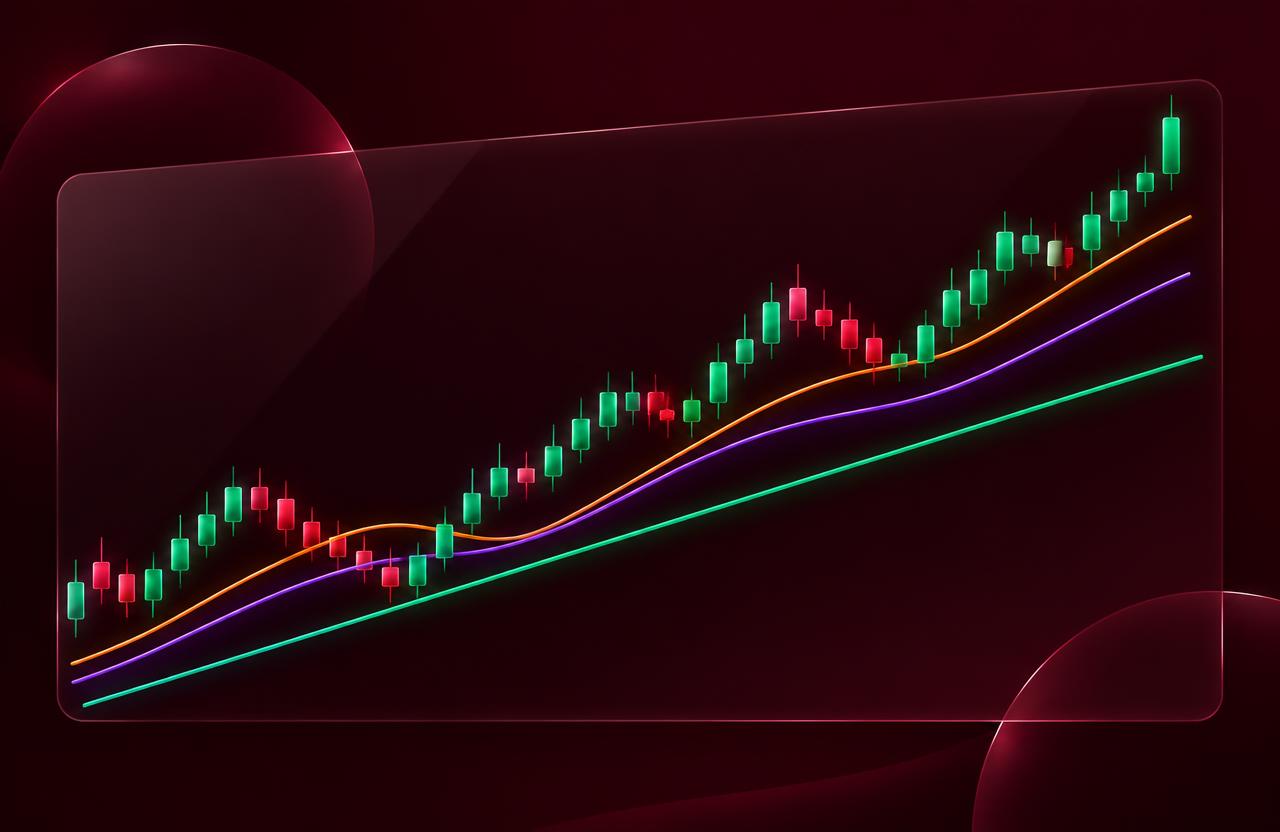
The same market can be rising on the 1-hour chart and falling on the 1-minute chart. Short time frames show noise; longer ones show the main direction. Most traders check a higher time frame first, then zoom in to time their entry.
- Check 1h before trading on 1m or 5m.
- Stick to the time frame your plan was built on.
Key takeaways
- Price = agreement between buyers and sellers.
- Spreads are a real cost with real brokers.
- Always zoom out before you zoom in.